

Published September 11, 2026
2 minute read
After losing 100 pounds, most people become very familiar with their bodies. They notice where their skin folds when they sit, which spots rub during a long walk, and which waistbands are comfortable or uncomfortable. They have probably also received a lot of general advice about 'toning up' or waiting for their skin to adjust.
Time can help in some cases. Strength training can improve the shape of the body under the skin. However, neither of these can remove a large fold of skin that has lost its stretch.
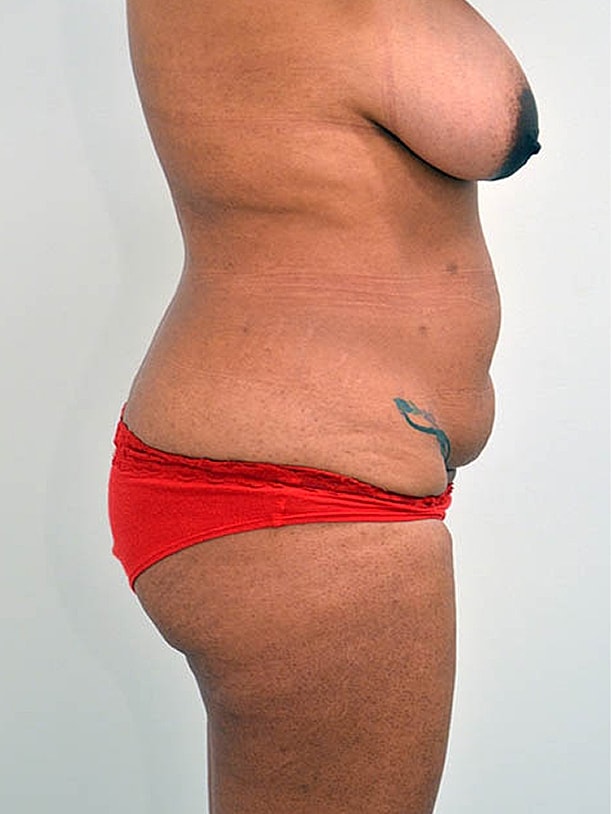
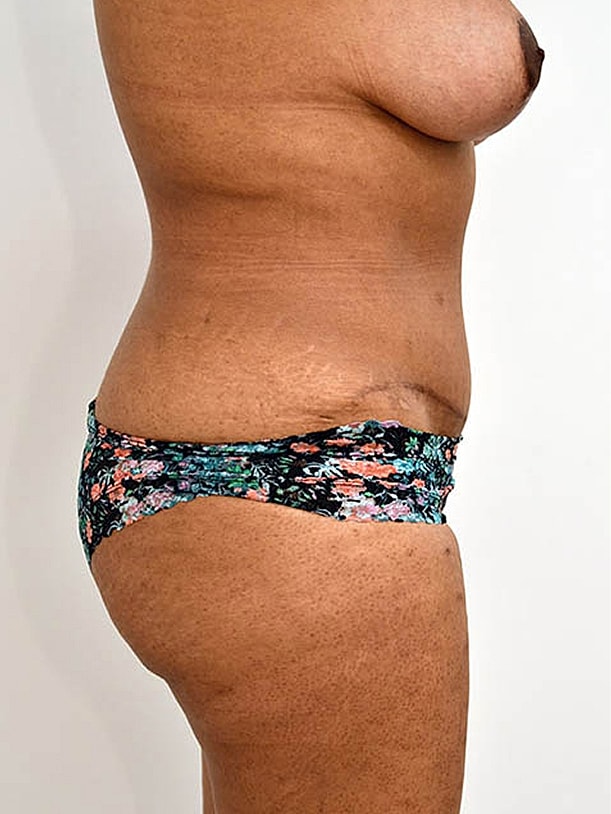
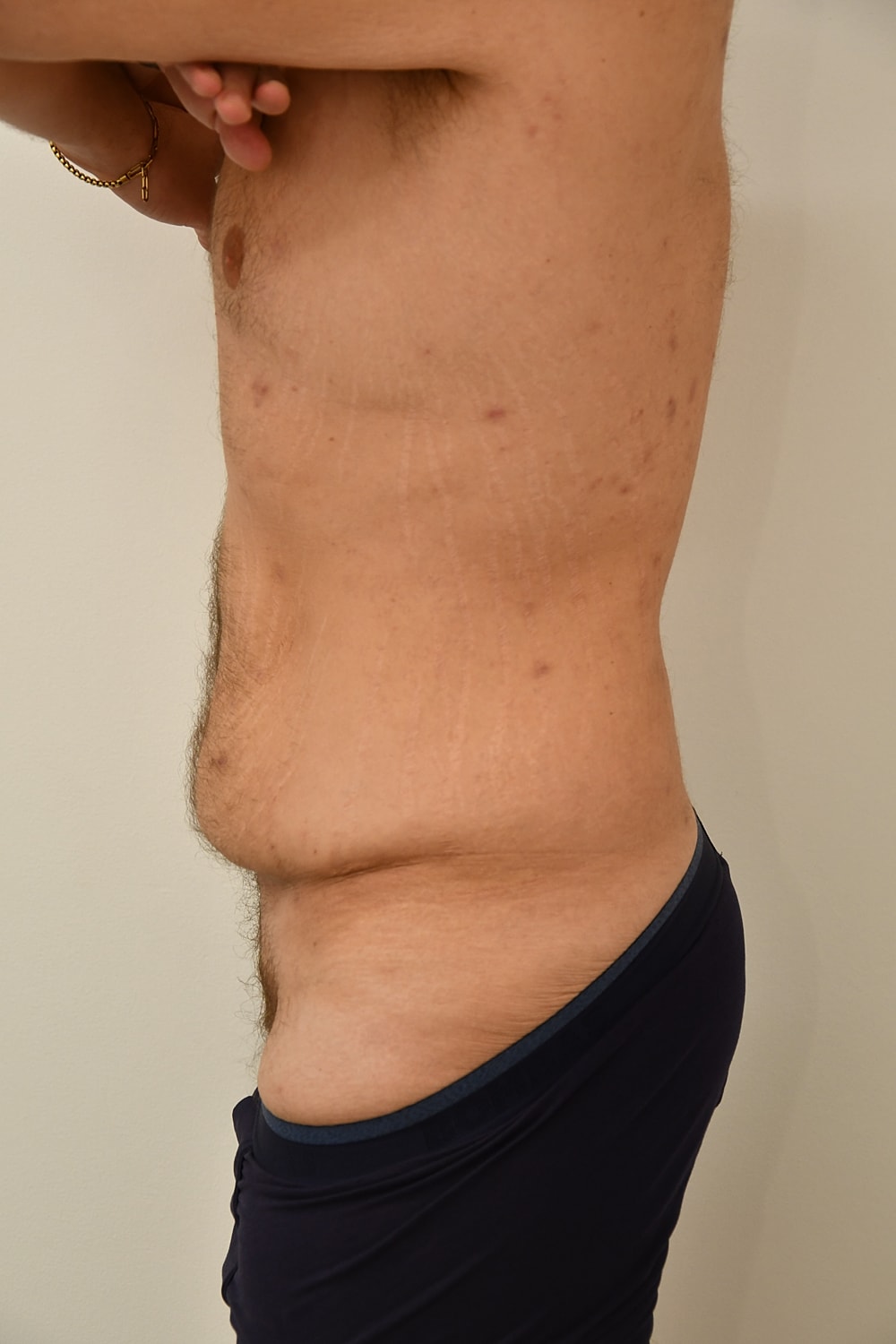
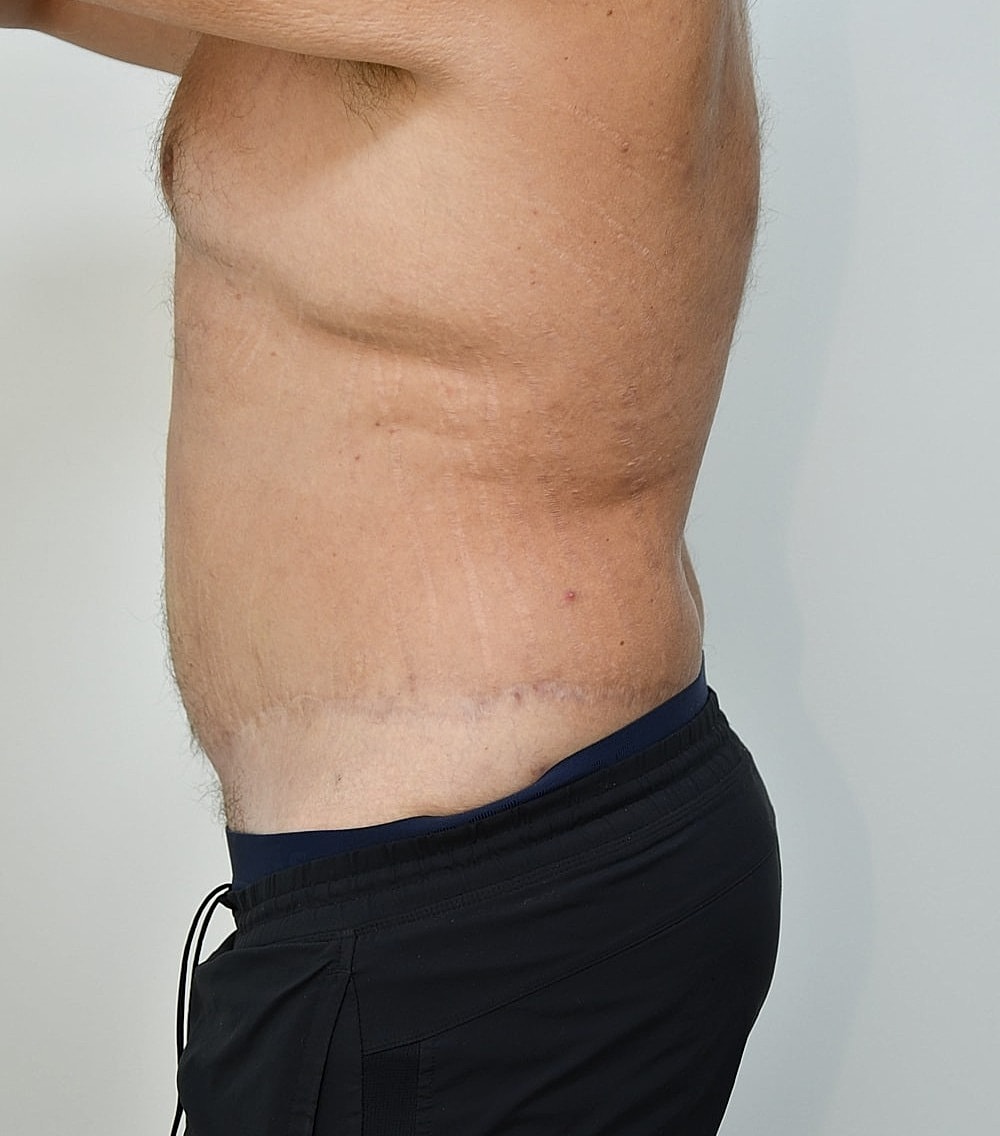
The best procedures after losing 100 pounds depend on where the excess skin remains. A tummy tuck treats the front of the abdomen. A lower body lift continues around the waist and can improve the buttocks and outer thighs. Arm lift, thigh lift, breast lift, chest contouring, and face or neck surgery address other areas.
Most people do not need every possible procedure, and even fewer should have them all at the same time. A good body contouring plan focuses on the areas that cause the most trouble, considers the scars that will result, and breaks up the surgeries into stages your body can handle.
A 100-pound loss tells us how much weight changed. It says very little about where the skin will settle.
Skin stretches as your body changes size. How well it tightens up afterward depends on things like age, genetics, sun exposure, pregnancy, nicotine use, how long you were at a higher weight, and how quickly you lost weight. The amount and location of leftover fat also affect what looks like 'just skin.'
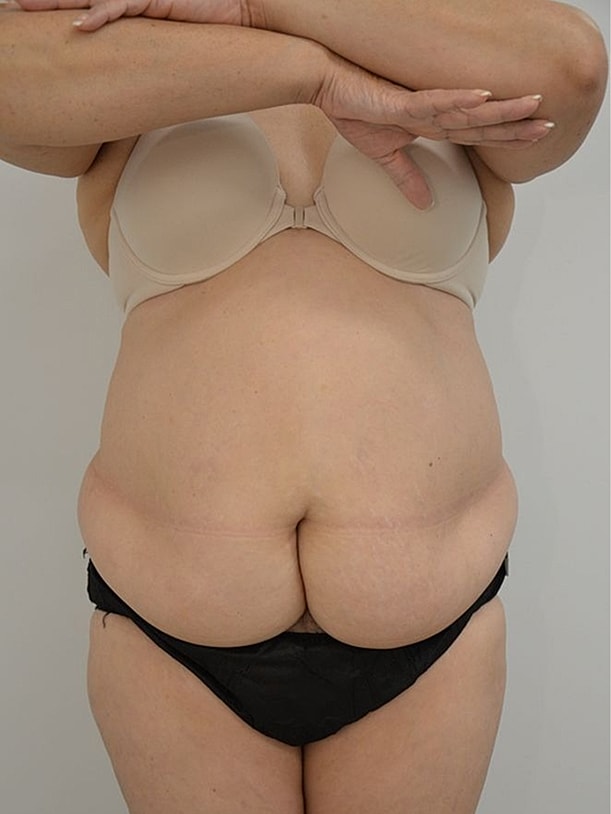
One person may have a heavy lower abdominal fold with fairly firm arms and thighs. Another may have little abdominal overhang but considerable laxity across the breasts, upper arms, and inner thighs. A third may notice a continuous fold around the abdomen, hips, lower back, and buttocks.
The method of weight loss does not decide the procedure either. Similar skin patterns can follow bariatric surgery, GLP-1 medication, or changes in eating and activity. Medical preparation may differ, especially when bariatric surgery has affected nutrient absorption or medication has made it difficult to eat enough protein.
Loose skin can create practical problems beyond appearance. Folds may trap moisture, develop recurrent irritation, or interfere with movement and exercise. Bras and waistbands can press skin into uncomfortable positions. Clothing may fit one part of the body and pull badly across another.
These details are important to share during your consultation. They help the surgeon see where surgery could really improve your daily life.
No procedure is medically inevitable after a large weight loss. Some people have mild laxity. Some prefer to avoid long scars and surgical recovery. Others have several areas of excess skin but choose to treat only the one causing physical discomfort.
It makes sense to talk about body contouring if your skin hangs in folds, causes ongoing irritation, limits your activity, or still bothers you after your weight has leveled out. You also need to feel that the benefits are worth the scars and recovery time.
Exercise is still important for strength, movement, heart health, and keeping weight off. It can help your body feel firmer, but it cannot tighten a large fold of belly or upper-arm skin.
Non-surgical skin-tightening treatments also have their limits. Energy-based procedures might help with mild looseness or thin, crepey skin in some people. They cannot tighten skin as much as surgery can.
You can schedule your first consultation while you are still learning about your options. Surgery usually happens after your weight has become stable.
Plastic surgeons use different requirements, but many want a patient to maintain a stable range for at least several months. Some recommend a longer period, particularly after bariatric surgery. Cleveland Clinic advises its patients that the strongest body contouring outcomes follow stable weight, good health, sound nutrition, and smoking cessation. It also screens for anemia and vitamin deficiencies before surgery. Cleveland Clinic
If you keep losing weight after surgery, you might develop new loose skin. Gaining a lot of weight can stretch the skin again and change your scars. The best goal is a weight you can keep, not just the lowest number you can hit for a short time.
Nutrition deserves equal attention. Long incisions require protein, adequate blood counts, and sufficient vitamins and minerals for wound healing. A 2024 study of 202 post-bariatric body contouring patients found that vitamin D and iron deficiencies were common in the study group. The authors called for further research into the best nutritional conditions for surgery. Plastic and Reconstructive Surgery Global Open
Nicotine is also a concern. Smoking or using nicotine can reduce blood flow to areas that are already stressed from surgery. Patients are often asked to quit well before surgery and stay nicotine-free during the early healing period.
Most post-weight-loss patients do not arrive with one isolated concern. The difficult part is choosing an order.
Physical symptoms can move an area to the front of the plan. An abdominal fold that causes rashes or makes exercise difficult may take priority over loose skin on the arms. If the skin forms a continuous belt around the torso, a lower body lift may need to happen before the thighs are assessed for separate surgery.
Incisions also interact. One operation may tighten tissue that changes the appearance of a neighboring area. Treating procedures in the wrong sequence can make later planning harder.
Another factor is how long the surgery takes. Adding more areas means more blood loss, fluid changes, repositioning, anesthesia, and wound care. While combining procedures can save you from having another surgery later, there is a limit to how much can be done safely at once.
Many patients receive a staged plan. That may mean abdominal or lower-body surgery first, followed by breast, chest, or arm surgery several months later. Inner-thigh work may become a third stage. The order can be different when another area causes greater discomfort.
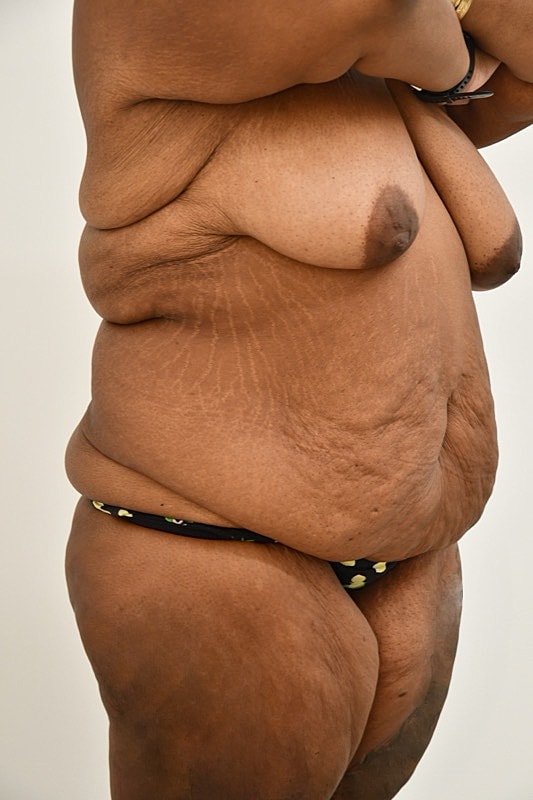
The abdomen is usually the first area people ask about, but “stomach skin removal” can refer to several operations.
| Procedure | Main Area | What It Addresses |
|---|---|---|
| Panniculectomy | Hanging lower abdominal apron | Removes the pannus, commonly for functional relief |
| Tummy tuck | Front abdomen | Removes excess skin and may repair separated abdominal muscles |
| Extended tummy tuck | Abdomen and lateral waist | Treats skin extending farther toward the hips |
| Lower body lift | Abdomen, hips, lower back, buttocks, outer thighs | Corrects a circumferential pattern of laxity |
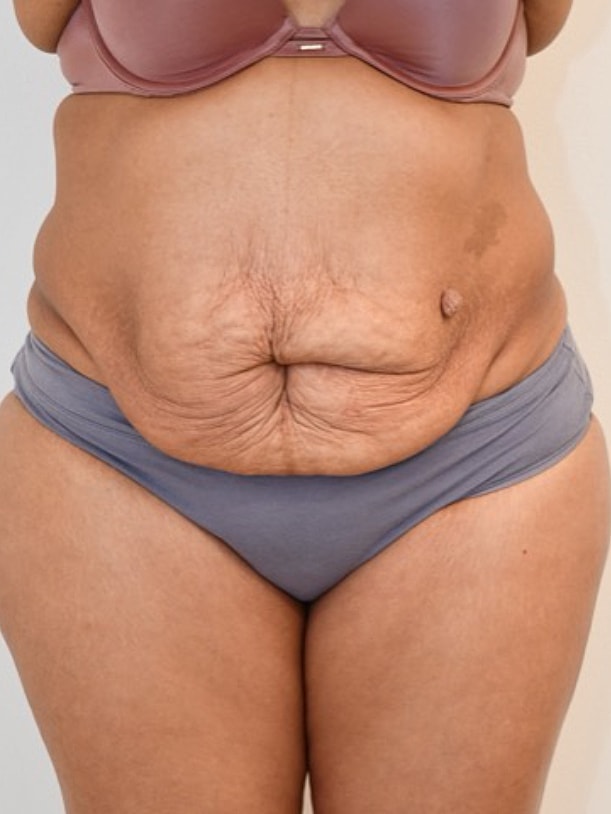
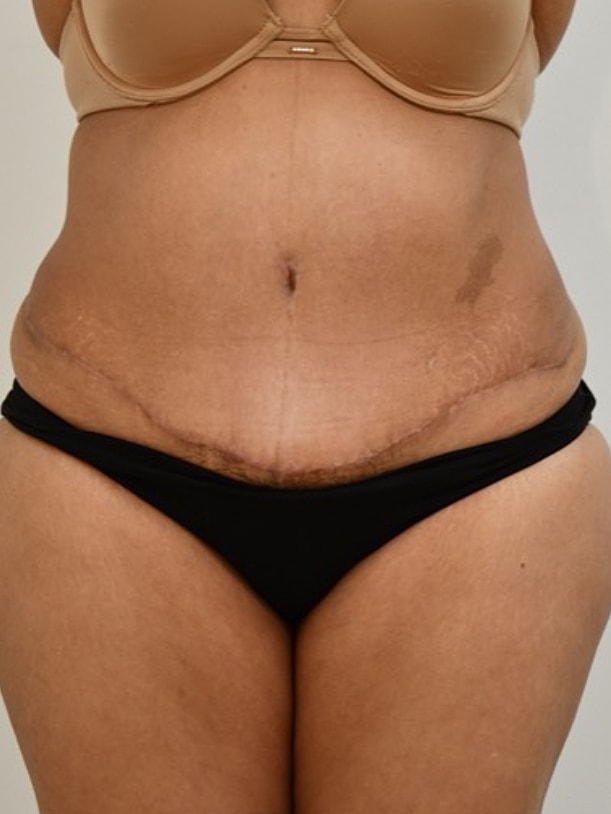
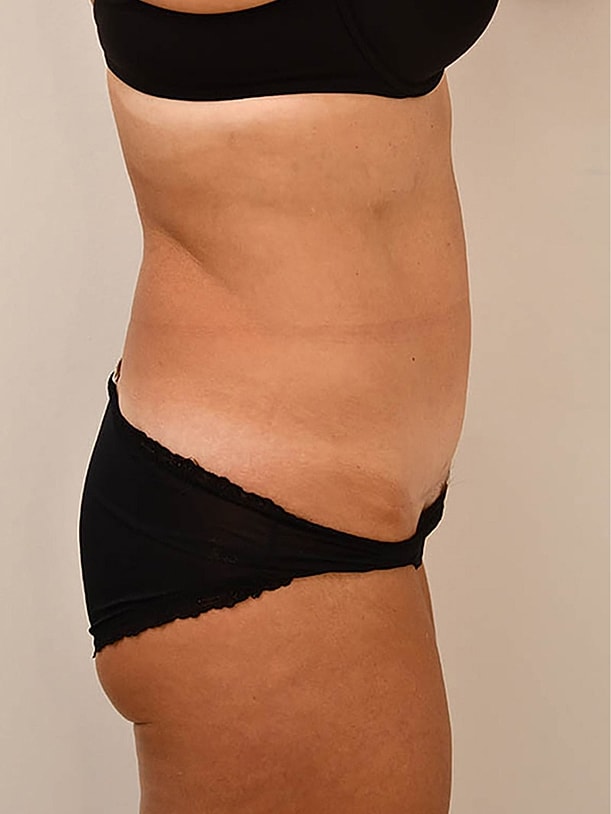
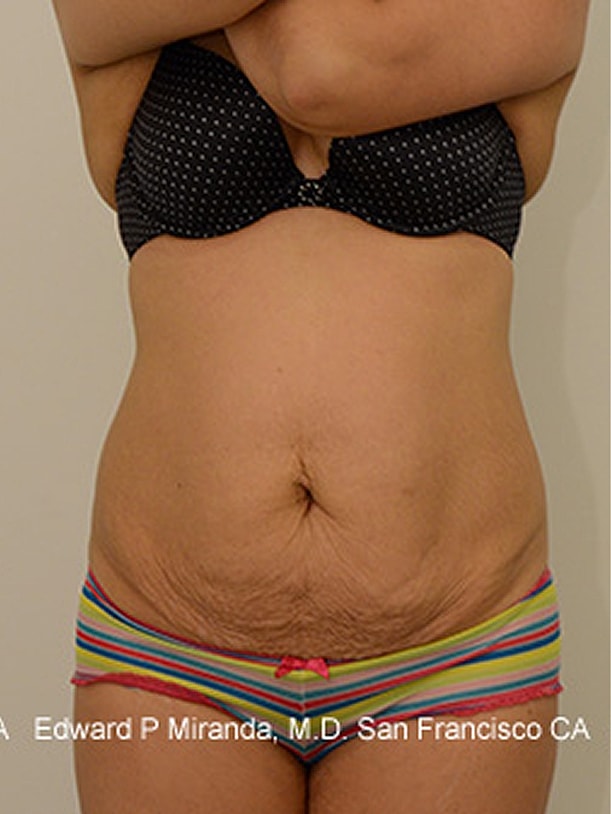
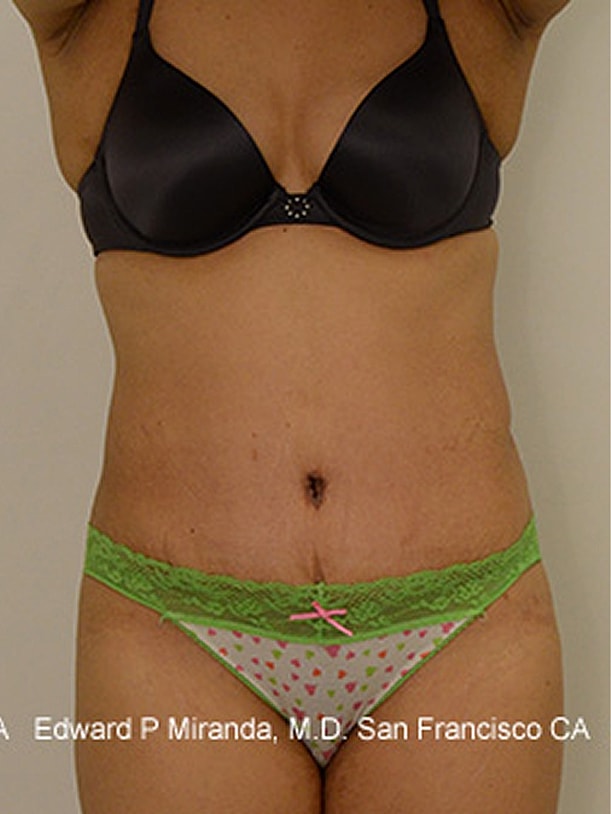
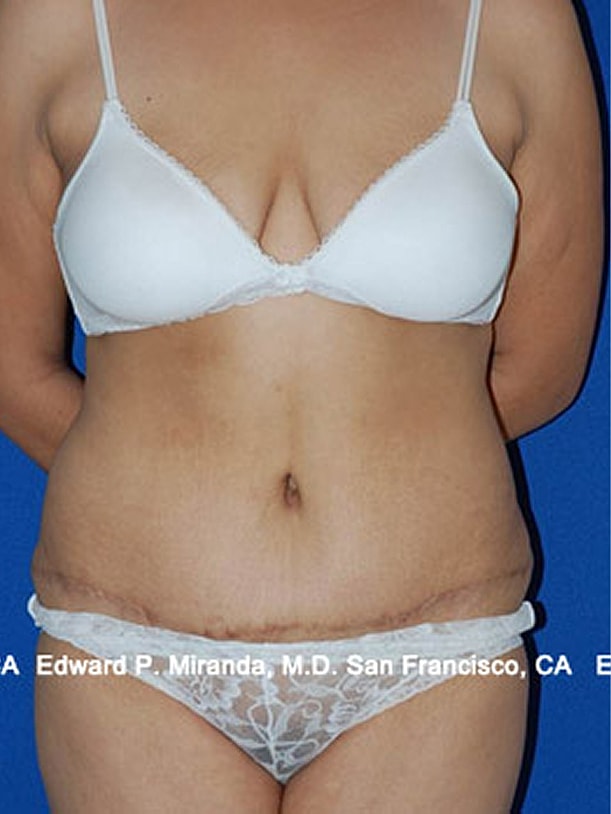
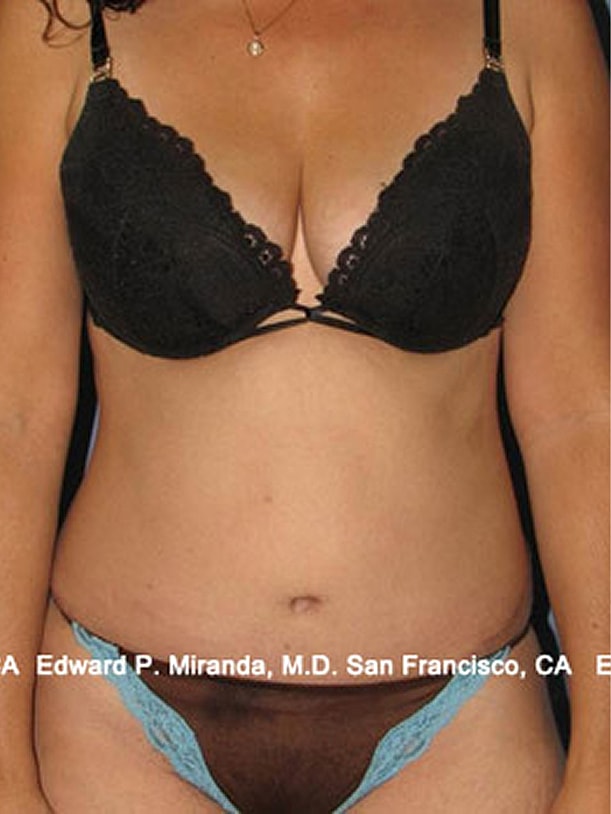
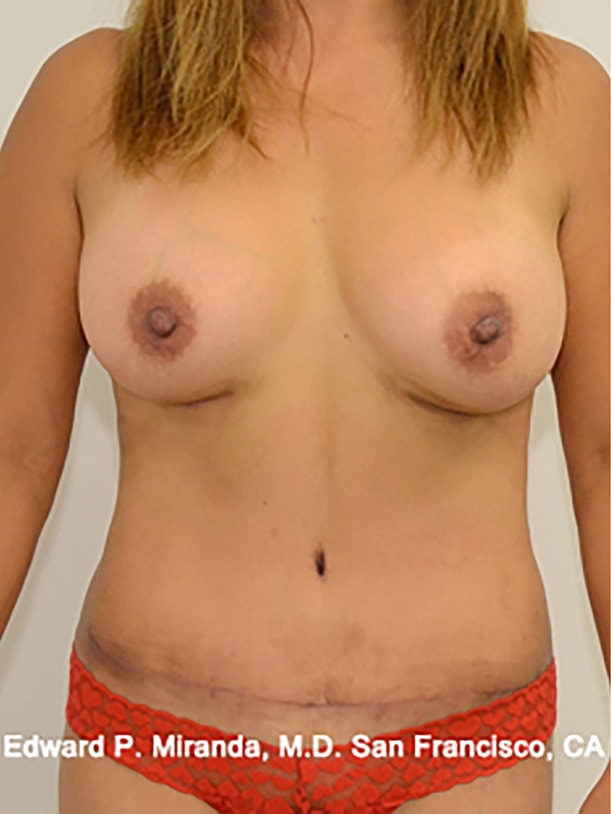
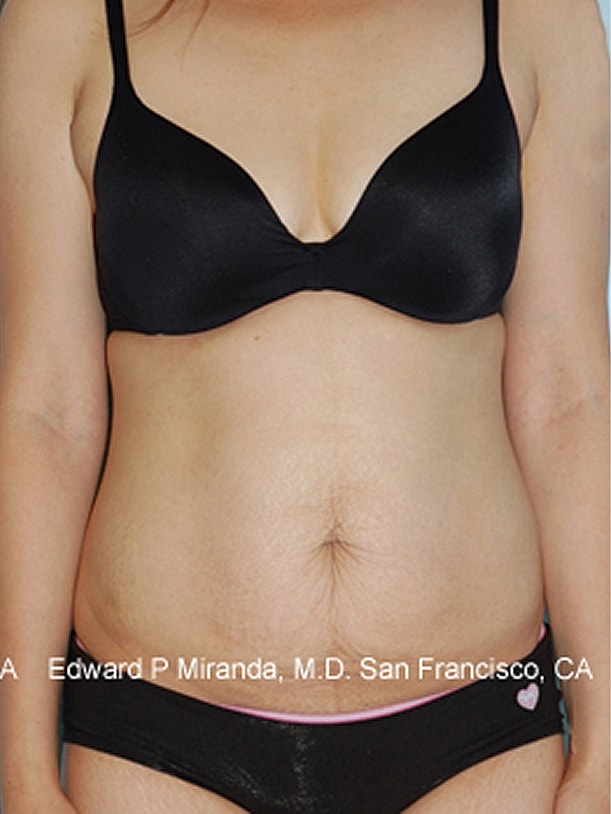
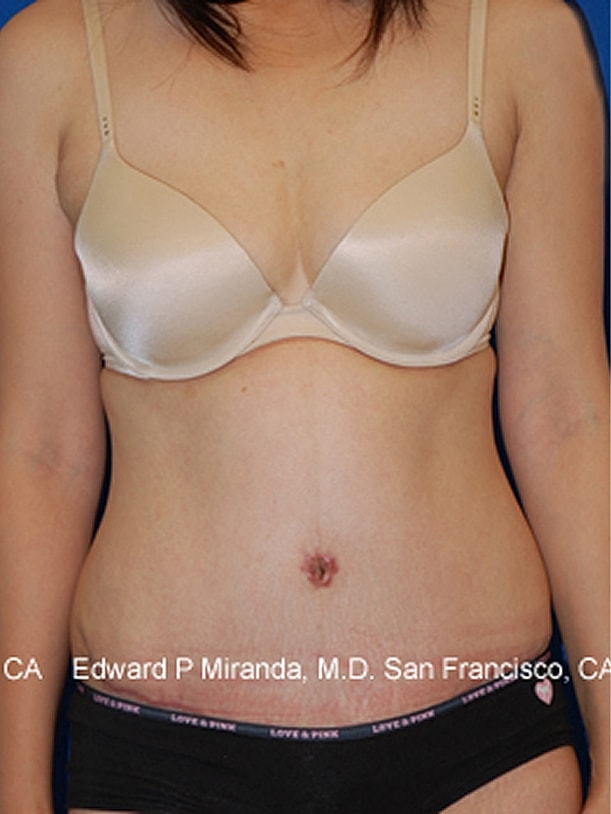
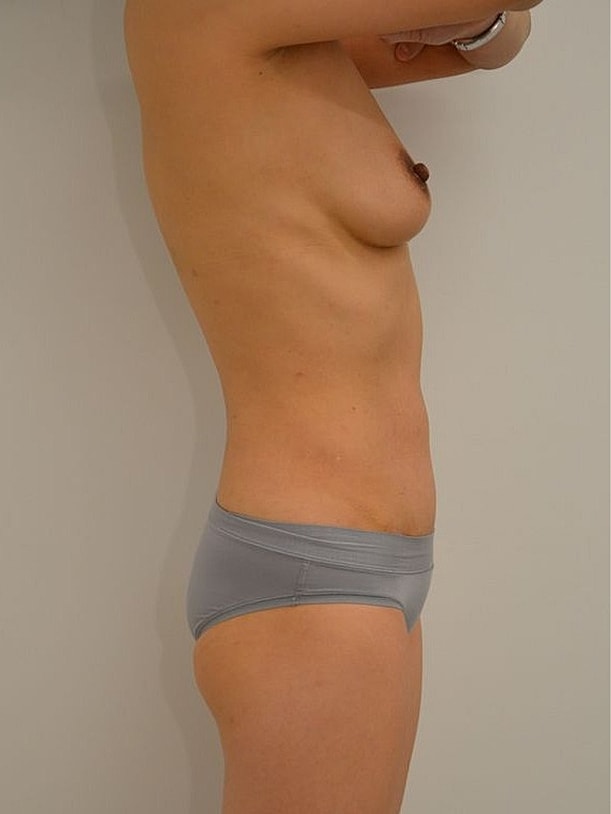
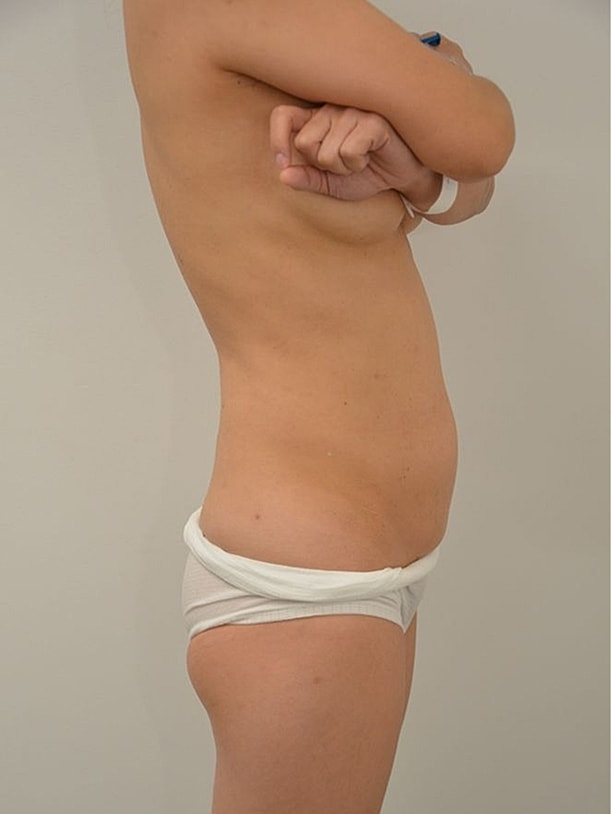
A tummy tuck, or abdominoplasty, removes excess skin and fat from the front of the abdomen. When pregnancy or substantial weight change has left the abdominal muscles separated, the operation may include muscle repair. The belly button is commonly brought through a new opening in the tightened skin.
This procedure works well when most of the extra skin is in the front. It does not do much for the sides or lower back.
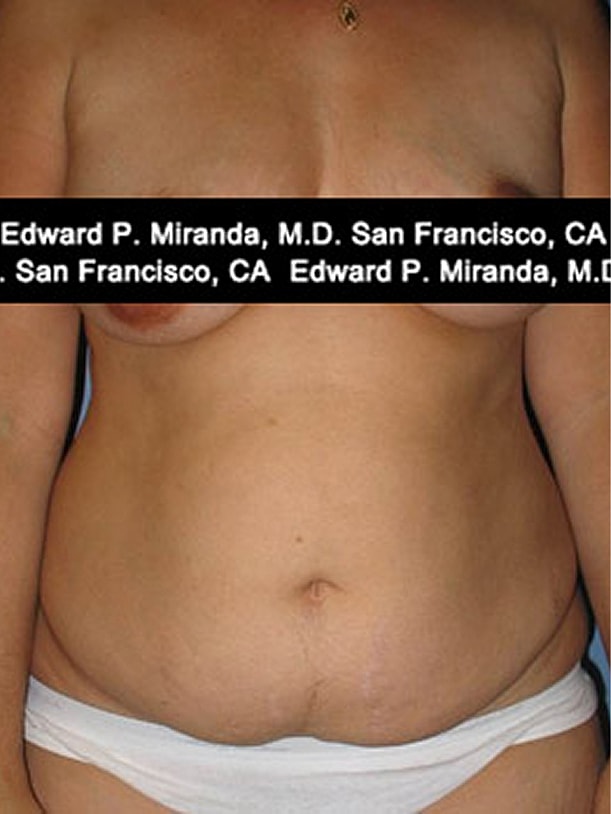
Some people who have lost 100 pounds need a vertical incision as well as a low horizontal one. This variation, commonly called a fleur-de-lis tummy tuck, can remove skin in two directions. It leaves an additional midline scar, so the added correction comes with a visible trade-off.
Liposuction may refine remaining fat around the waist or flanks. It cannot replace skin removal when the tissue hangs.
1 of 13
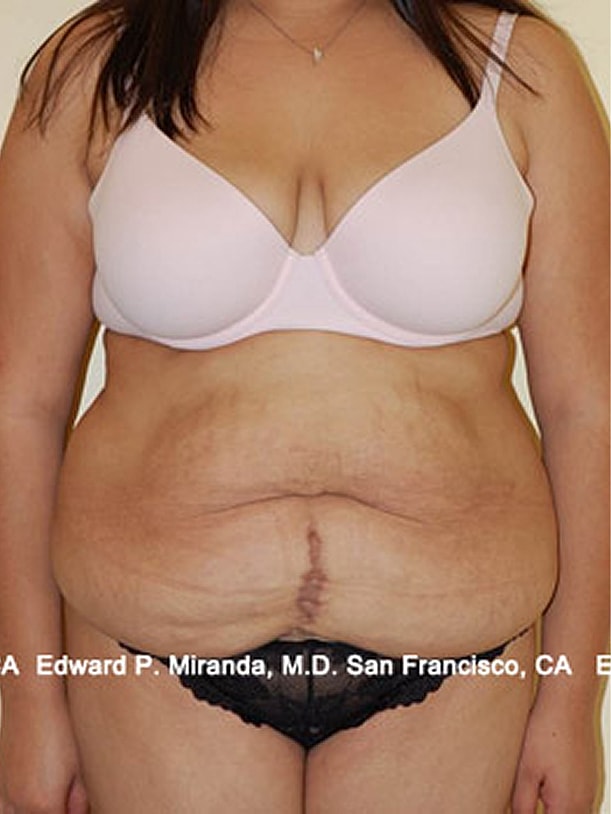
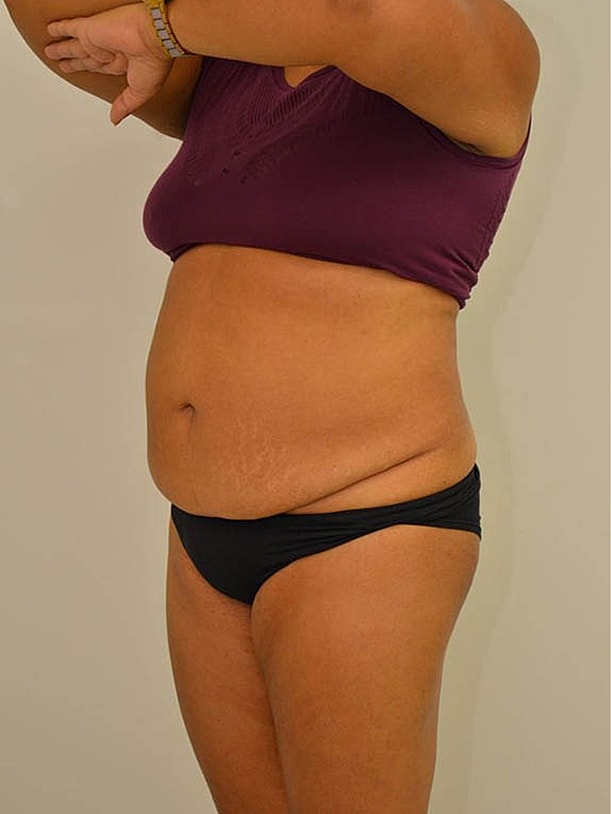
A panniculectomy removes the pannus, the apron of skin and fat hanging from the lower abdomen. It may be considered when the fold causes rashes, infections, hygiene trouble, or interference with movement.
The operation focuses on removing the overhang. It does not usually include the muscle repair, belly-button work, or broader waist shaping associated with a tummy tuck.
That distinction affects insurance. A qualifying panniculectomy may be considered reconstructive, while the additional contouring performed during an abdominoplasty is generally cosmetic.
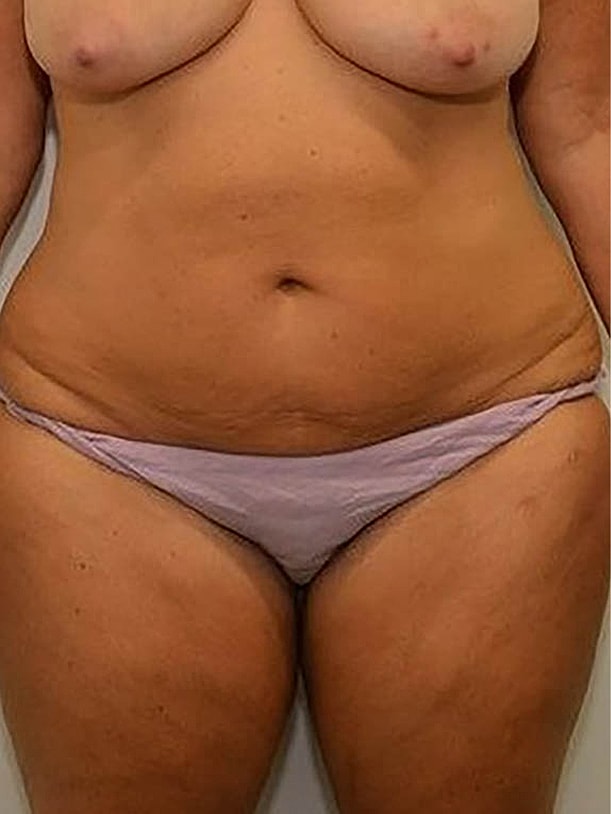
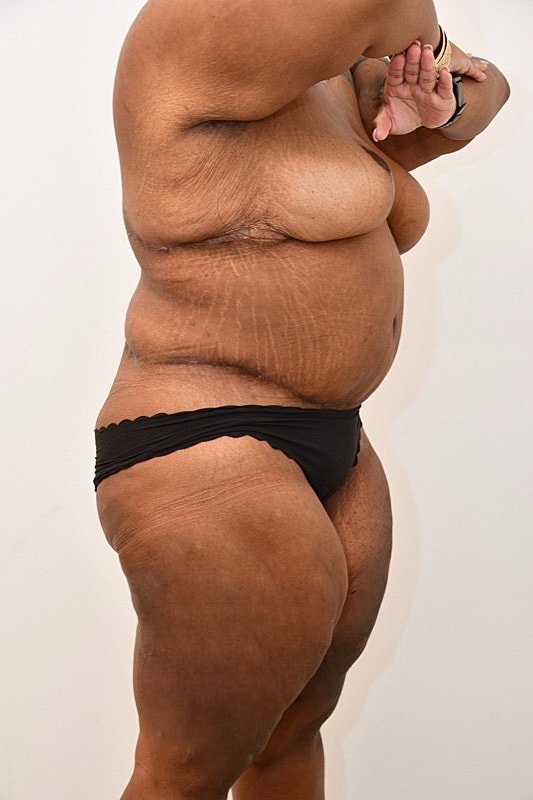
A lower body lift, also called a belt lipectomy, treats loose skin that travels around the torso. The incision usually continues around the waist so the surgeon can address the abdomen, hips, lower back, buttocks, and some outer-thigh descent.
A tummy tuck can leave a patient disappointed when the real problem extends around the body. The front may become flatter while the side and back folds remain. A lower body lift gives the surgeon access to the full pattern.
The scar from this surgery is longer, and recovery can be more challenging. In the first days, sitting, standing, sleeping, getting dressed, and using the bathroom may feel awkward. Some patients need to stay overnight for monitoring. Drains and compression garments are often used.
1 of 2
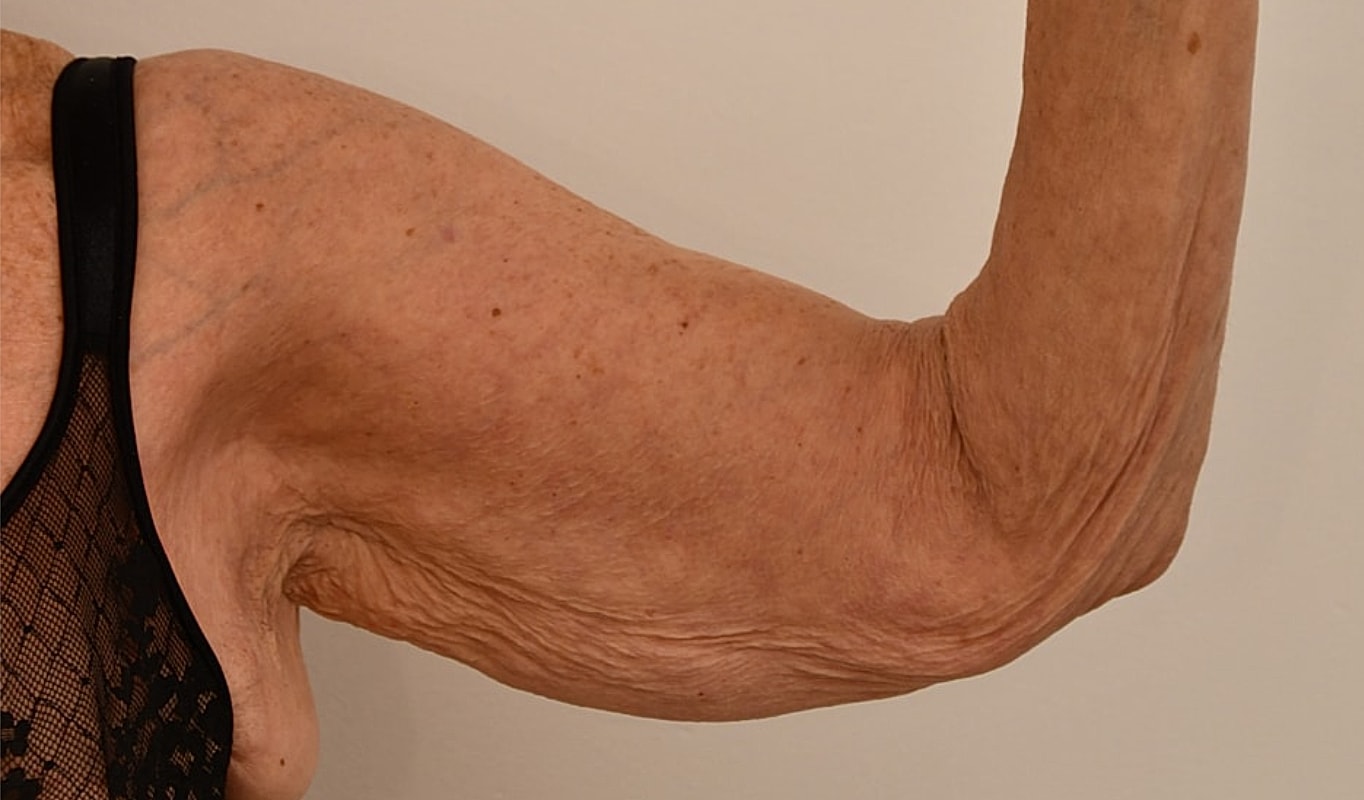
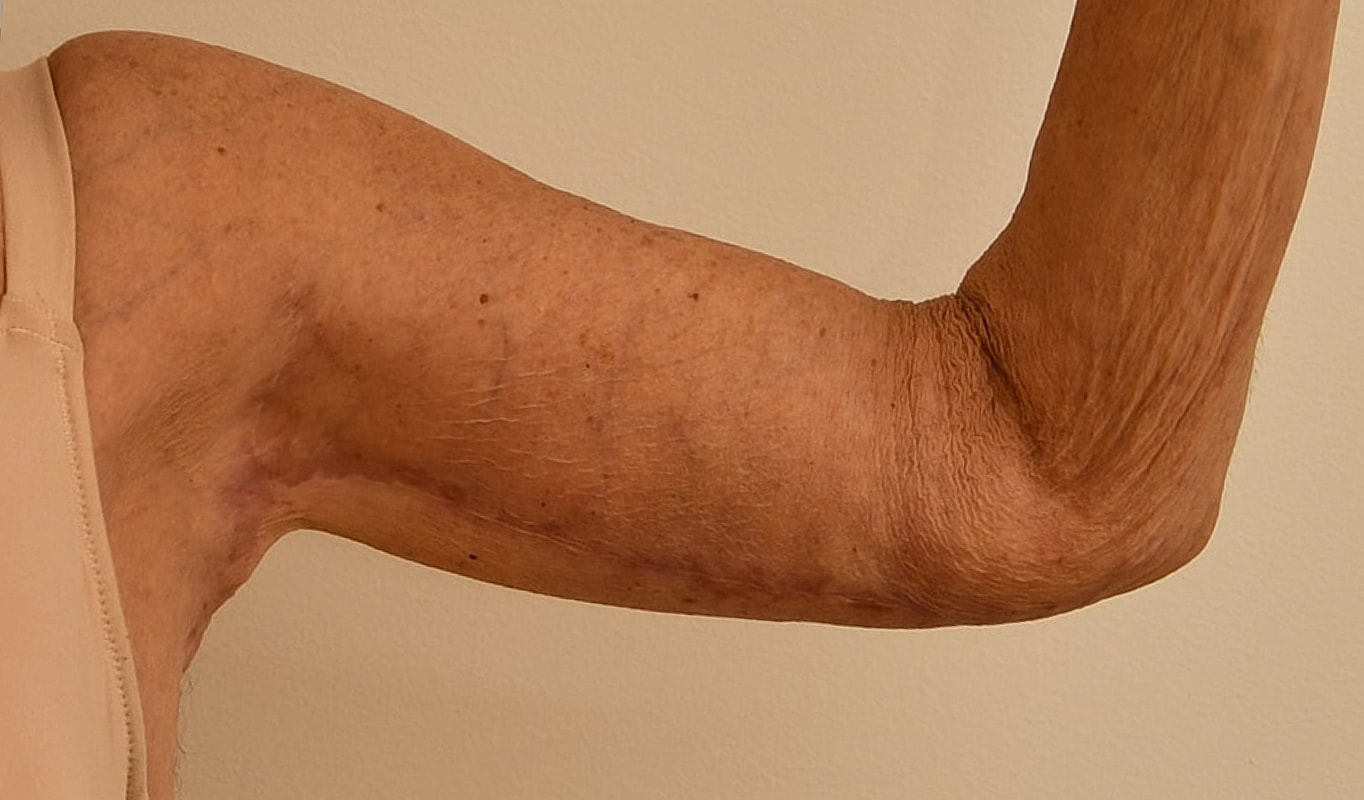
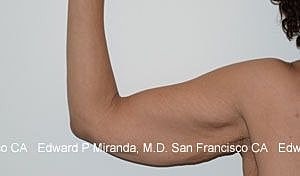
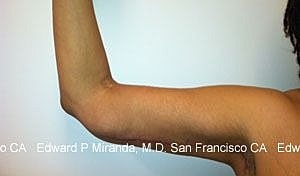
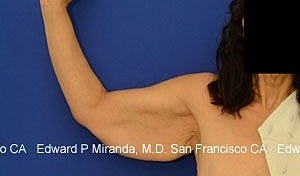
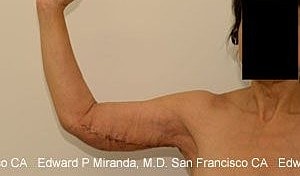
An arm lift, or brachioplasty, removes loose skin between the armpit and elbow. The incision varies with the amount and location of tissue.
A limited lift may keep the scar close to the armpit when laxity is mild. After a 100-pound loss, skin commonly extends farther down the arm, requiring an incision along its inner or back surface. The scar can be visible in sleeveless clothing.
Liposuction may be used when fat remains beneath the loose skin. Removing fat without addressing poor skin elasticity can leave the arm looking emptier and more wrinkled, so the two issues have to be assessed separately.
During recovery, you will need to avoid lifting and reaching. This can be hard for people who work with their hands, care for kids, style hair, exercise often, or move equipment at work. Even opening a heavy door can be uncomfortable at first.
1 of 3
Thigh lift surgery can address the inner thighs, outer thighs, or both. The incision depends on how far the laxity extends.
An upper-inner-thigh lift may use an incision near the groin. Skin reaching toward the knee can require a vertical incision down the inner leg. The scar is longer but gives the surgeon enough access to remove the full fold.
Outer-thigh descent may improve during a lower-body lift because the waist and lateral tissue are raised together. A separate outer-thigh procedure may still be needed when laxity is extensive.
Healing after thigh surgery can be tricky. Walking, sitting, and getting out of bed can put pressure on the incisions. Swelling may last a while, and each leg may heal at a different pace. It is important to talk honestly about where scars will be before deciding how much skin to remove.
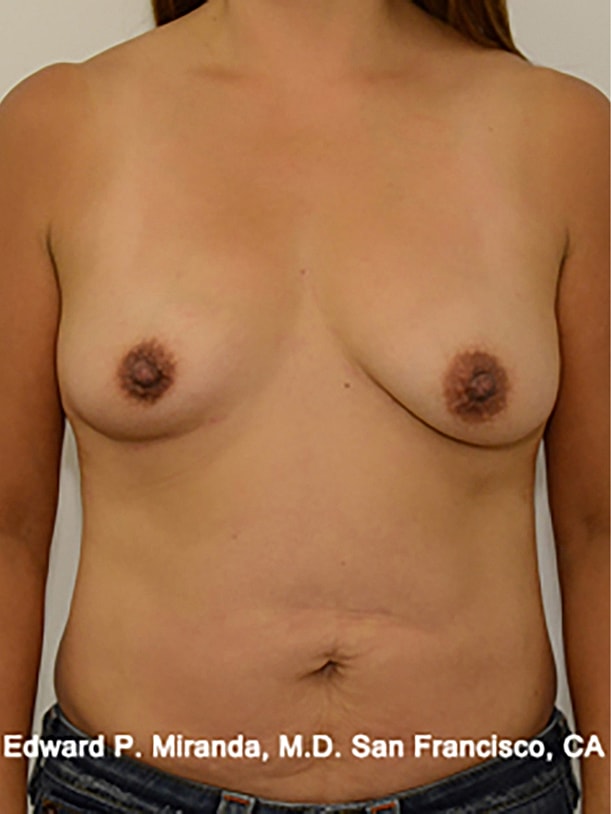
Breast tissue can lose volume while the surrounding skin remains stretched. The breasts may look flatter on top, settle below the fold, or feel disproportionately heavy because lax skin holds the tissue low.
A breast lift removes excess skin, reshapes the remaining breast tissue, and raises the nipple and areola. It does not add much volume. Patients who want upper-breast fullness may consider breast augmentation with implants or fat transfer at the same time.
After major weight loss, the skin can be thin, so it is important not to choose implants that are too large. Heavy implants put extra pressure on skin that has already stretched. Some people do better with just a lift, while others may need a lift first and implants later.
Breast reduction makes sense when considerable breast volume remains and contributes to neck, shoulder, or skin-fold discomfort.
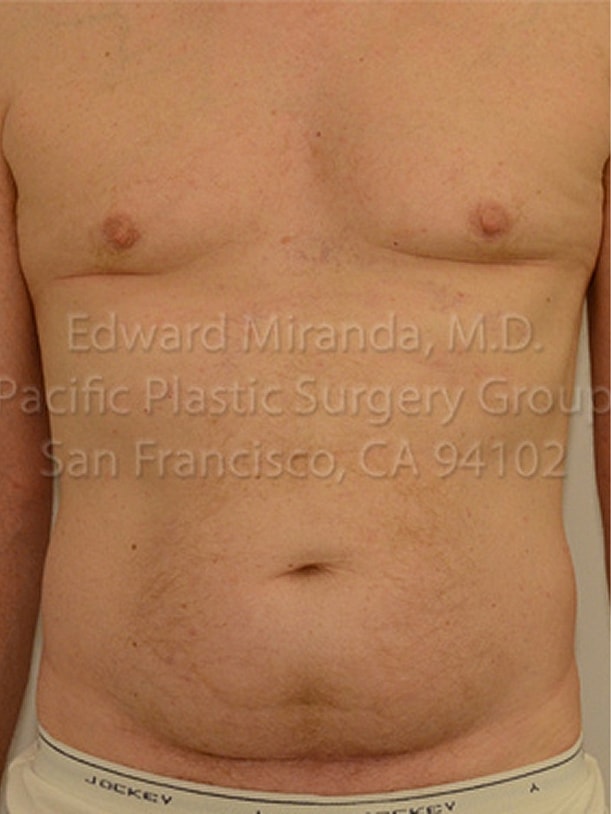
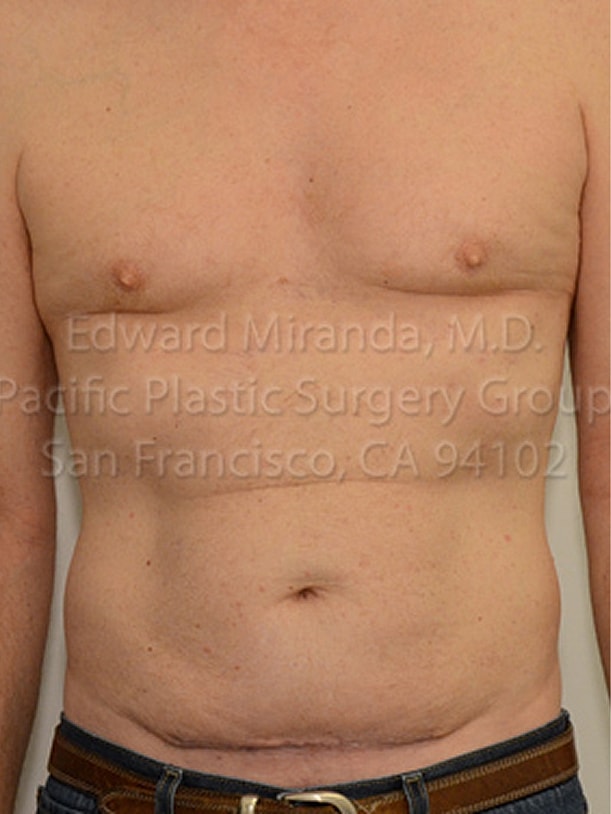
Male chest contouring may involve removal of skin, residual fat, and glandular tissue. In cases with considerable descent, the nipple may need to be repositioned. The incisions can be more extensive than those used for routine gynecomastia surgery.
Loose skin can also remain across the upper back and bra line. A bra-line or upper-back lift removes this fold through a horizontal incision placed where a bra or shirt may conceal it.
Significant weight loss can reveal loose skin along the jawline and neck. Volume may also decrease through the cheeks and temples.
A facelift can reposition deeper facial tissue and remove excess skin along the lower face. A neck lift addresses lax skin and underlying structures beneath the chin and along the neck. Small areas of remaining fat may respond to neck liposuction when skin quality is adequate.
Fat grafting can add volume to certain areas, but it must be done carefully. Adding too much fat to a face with a lot of loose tissue can make it look heavy without helping the jawline or neck. The surgeon needs to tell the difference between lost volume and loose skin or weak structures.
Face and neck procedures are commonly scheduled after major body work. The sequence gives the patient time to recover and allows facial weight changes to settle.
Yes, within safe limits.
A tummy tuck may be combined with carefully selected liposuction. Breast and arm surgery can sometimes share one operative session. A lower body lift already treats several connected regions through a circumferential approach.
The main question is how much surgery you can safely handle at once. Your health history, anemia, nutrition, tissue thickness, how long the surgery takes, your position during surgery, and your support at home all play a role.
One person may safely combine two areas. Another may need each operation performed separately. Body contouring after a 100-pound loss can involve incisions measured across large sections of the body, and healing all of them at once is a serious physical demand.
An abdomen-first sequence may look like:
This approach is helpful if the fold on your abdomen is causing the most physical problems.
Another patient may begin with breast, chest, arm, or upper-back surgery. The abdomen can follow once the first stage has healed.
There is no set order based just on how much weight you lost. The plan depends on your body’s pattern and what matters most in your daily life.
Skin removal surgery trades loose skin for scars. This is an important fact and should be discussed openly, not just mentioned briefly in paperwork.
A tummy tuck leaves a low abdominal scar and a scar around the belly button. A lower body lift may leave a line around the waist. Arm lift scars can run toward the elbow. Thigh lift scars may sit near the groin or continue down the inner leg. Breast lift scars can circle the areola, extend vertically, and sometimes follow the breast fold.
Early scars may be red, firm, raised, or darker than the surrounding skin. Maturation can take a year or longer. Genetics, skin tone, tension, infection, sun exposure, nutrition, and nicotine use affect how they heal.
Where your scars are placed matters, but they cannot always be hidden by every type of underwear, swimsuit, or clothing. Bring the clothes you care about to your consultation. This helps the surgeon more than just saying you want the scar 'as low as possible.'
General recovery timelines are helpful, but each surgery and person is different.
After surgery, patients may have drains, dressings, compression garments, swelling, bruising, and restrictions on lifting. Walking begins early because movement supports circulation and reduces clot risk. Exercise waits.
Cleveland Clinic notes that return to work may take approximately two to four weeks after significant-weight-loss body contouring, with longer restrictions for physically demanding work. The exact timeline depends on the procedure. Cleveland Clinic
You will likely need the most help in the first few days after surgery. The following weeks are easier but still have limits. You may feel tired longer than you feel pain. Swelling can change during the day, and some incisions may heal faster than others.
Final results take time, especially when several procedures are staged. Cleveland Clinic notes that the full process can extend up to two years when healing between multiple operations is included. Cleveland Clinic
Post-weight-loss body contouring can involve larger incisions and longer operations than many other cosmetic procedures. Possible complications include bleeding, infection, seroma, delayed wound healing, wound separation, skin loss, asymmetry, persistent swelling, numbness, unfavorable scars, blood clots, anesthesia complications, and revision surgery.
Your risks depend on both you and the procedure. Nutrition, nicotine use, diabetes, anemia, body mass index, past surgeries, and how much is done at once can all affect how you heal.
Some precautions happen before surgery, like getting medical clearance, lab tests, improving nutrition, and planning the right order for procedures. After surgery, you will need to walk early, use compression if needed, manage medications, and have regular follow-ups.
If you have chest pain, trouble breathing, sudden swelling on one side, fever, spreading redness, or a big change in drainage, contact your surgical team or get emergency care right away.
Insurance may cover a panniculectomy when the abdominal pannus causes documented medical problems. Most tummy tucks, lower body lifts, arm lifts, thigh lifts, breast lifts, and other cosmetic contouring procedures are self-pay.
Insurers may request records of recurrent rashes, infections, skin breakdown, prescription treatment, hygiene difficulty, or restricted movement. Photographs and notes from a primary care clinician or dermatologist can support the request. Requirements vary by policy.
Coverage for panniculectomy does not automatically include abdominal muscle repair, liposuction, waist shaping, or skin removal around the back. The American Society of Plastic Surgeons maintains guidance distinguishing functional panniculectomy from cosmetic abdominal contouring.
Make sure you have the insurance decision in writing before you count on it in your surgery budget.
Start by confirming certification through the American Board of Plastic Surgery. Then ask how regularly the surgeon performs the operation being recommended.
Before-and-after photographs should include patients with a similar starting anatomy. A gallery filled with routine liposuction or breast augmentation results offers little evidence of experience with circumferential lifts or extensive post-bariatric skin removal.
Ask where your surgery will be done, who will give anesthesia, how after-hours problems are handled, and when the surgeon suggests doing procedures in stages. Sometimes, a surgeon who sets limits is more helpful than one who agrees to every request.
Bring your weight history, list of medications, bariatric records if you have them, recent lab results, past surgery reports, and any records of ongoing skin problems. Tell the surgeon how your skin affects you day to day. The area that looks most obvious in a photo may not be the one that bothers you most.
The best procedures after losing 100 pounds are the ones that match the skin pattern and fit into a safe sequence. That may mean a tummy tuck for the front abdomen, a lower body lift for circumferential laxity, or separate procedures for the arms, thighs, breasts, chest, face, or neck.
After your consultation, you should have more than just a list of surgeries. You should know which area to treat first, which procedures can be safely combined, where your scars will be, and how each stage will affect your work and home life.
Pacific Plastic Surgery Group evaluates patients from San Francisco, Marin County, the Peninsula, and the wider Bay Area for post-weight-loss body contouring. Schedule a consultation to discuss the areas affecting you, the procedures that could address them, and a recovery plan built for the body you have now.