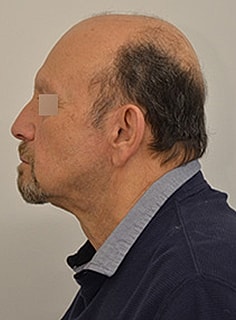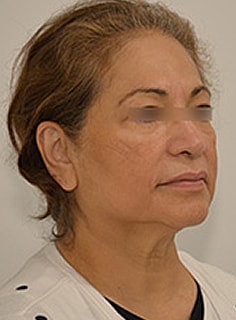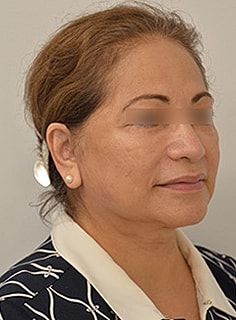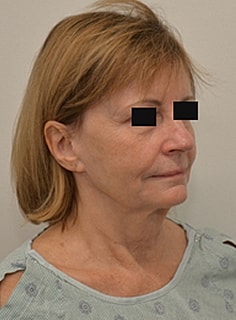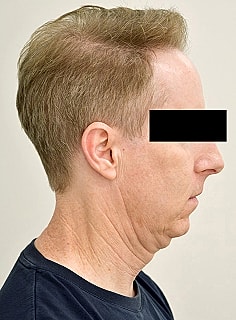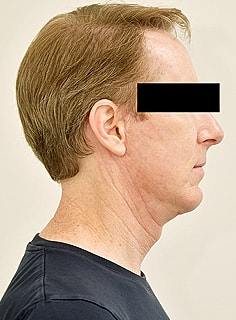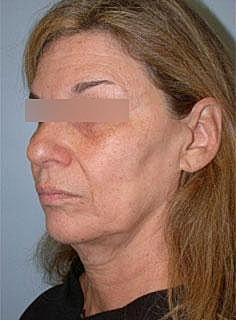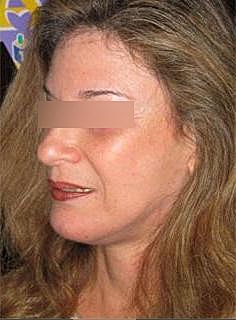
Mini Facelift San Francisco


Early jowls have a way of showing up before the rest of the face feels ready for surgery. You may notice a softer jawline in photographs, loose skin gathering near the corners of the mouth, or a lower face that looks heavier in certain light. The change can be modest and still bother you. It can also leave you wondering whether a full facelift would be too much.
A mini facelift may be an appropriate middle ground when the concern is concentrated around the lower cheeks and jawline. Edward P. Miranda, MD, FACS, plans facelift surgery around the tissues that have shifted and the amount of correction those tissues need. You do not need to arrive at Pacific Plastic Surgery Group knowing which operation to request. The first useful step is understanding what has changed and how far a limited procedure can reach.







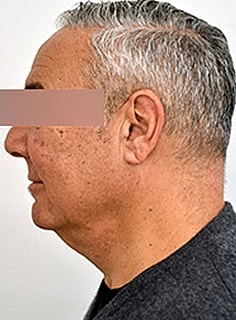
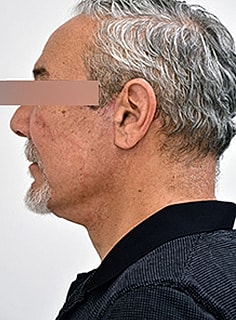
1 of 30
A mini facelift is a limited-incision surgical procedure that lifts early sagging in the lower face and along the jawline. It generally uses shorter incisions and less extensive tissue dissection than a full facelift. The term is not standardized, so the exact technique and treatment area vary by surgeon and patient anatomy.
A mini facelift tightens selected deeper facial tissues and removes a measured amount of excess skin. The skin should close without carrying all the tension. That detail has a direct effect on the contour, scar, earlobe position, and how well the result holds.
At a Glance
A mini facelift is most useful when facial aging is concentrated around the lower cheeks and jawline. It can improve:
The operation does not erase surface wrinkles, change skin texture, or stop the normal aging process.
Its reach into the midface and neck is limited. Prominent neck bands, substantial loose neck skin, heavy jowls, or marked cheek descent usually call for a different plan.
Hearing that a mini facelift is too limited can be disappointing, but it is far better to learn it before surgery than after the swelling has gone down.
The most visible change usually occurs where the lower cheek meets the jaw. Repositioning facial tissues can soften jowls without relying on a tight skin closure. A mini facelift may also reduce some heaviness beside the mouth, although it will not remove every crease.
A cleaner jawline depends on what is blurring it. Loose skin and descending tissue may respond to a mini facelift. Excess fat beneath the chin may require liposuction. If laxity extends well into the neck or involves the platysma muscle, a neck lift may be more appropriate.
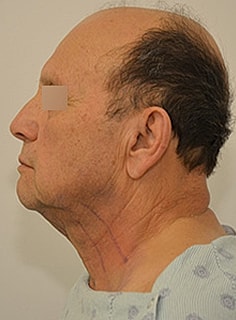
A mini facelift offers limited neck improvement. Some techniques extend far enough to refine the upper neck near the jaw, while others treat the lower face alone. Patients concerned about a “turkey neck,” visible platysma bands, or a poor chin-to-neck angle should expect a separate neck assessment.

The appeal of a mini facelift is its defined scope. It treats a smaller area than more extensive facelift procedures, which can mean shorter incisions and a narrower recovery. Patients who are beginning to see jowls may get the correction they want without involving areas that still look and feel like their own. When facial aging extends through the cheeks and neck, however, limiting the operation can leave the most important changes behind.
For a well-selected patient, benefits may include:
“Mini” describes the extent of surgery. It should never describe the quality of the assessment, anesthesia planning, scar placement, or follow-up. A limited procedure works when the concern is limited too.
Good mini facelift candidates have early to moderate laxity in the lower face, enough skin elasticity to support a limited correction, and realistic expectations about the neck and midface. Age alone is a poor screening tool. Some younger patients have more laxity than expected; some older patients remain good candidates because their concerns are localized.
The last point deserves care. A shorter recovery can sound attractive, especially when work and family make downtime difficult. Under-treating the anatomy creates an early limit that no marketing name can fix.
If your concern is concentrated around the jawline but you are unsure how much surgery it would require, a personal consultation can replace guesswork with a specific assessment. Dr. Miranda can explain what a mini facelift would improve, what it would leave unchanged, where the incisions would sit, and what recovery would require in your case.

Mini facelift surgery is customized to the location and degree of laxity. Before the procedure, you should know which portion of the face will be treated, how far the incision will extend, which deeper tissues will be supported, and why the chosen anesthesia makes sense. Techniques differ, but a sound operation should address the underlying connective tissue rather than treating skin as the primary lifting structure.

Mini facelift recovery usually includes swelling, bruising, tightness, numbness, and tenderness around the ears and jawline. Many patients feel better before they look ready for plans, which can be an odd stage of recovery.
You may feel capable of answering email or going for a walk while your reflection still looks distinctly postoperative. The first week is meant for healing, not testing how quickly you can return to normal activities.
Most patients should reserve about 10 to 14 days before work or social events, though visible bruising and facial swelling can last longer. Hair styling and makeup may help once Dr. Miranda clears them. Video calls are not always easier: overhead lighting and a close camera tend to advertise swelling.
Short walks begin early to support circulation. Bending, heavy lifting, and strenuous activities remain restricted until the surgeon clears them. Exercise raises blood pressure, and doing too much too soon can increase swelling or bleeding even when you feel reasonably well.
Keep incisions clean, use medications as prescribed, sleep with your head elevated, and avoid nicotine. Call the office for sudden one-sided swelling, increasing pain, fever, shortness of breath, unusual drainage, or a change that feels distinctly different from the other side. Do not wait for a scheduled appointment when something looks wrong.

The change is present immediately, but early swelling hides the detail. The jawline becomes easier to judge over the first few weeks. By two to three months, facial tissues generally look and feel more settled. Incisions continue maturing for up to a year or longer.
The temporary awkward stage is normal. One side may soften before the other, the ears can feel numb, and the lower face may look wider during early swelling. Final results should be judged after the tissue has had time to recover, not in the bathroom mirror on day four.
Mini facelift results generally last several years, but no operation freezes facial aging. Longevity depends on the extent of correction, skin elasticity, facial anatomy, weight stability, nicotine use, sun exposure, and the quality of deeper tissue support.
A mini facelift tends to have a shorter correction window than a more extensive facelift because it treats less anatomy. Good skin care, sunscreen, stable weight, and selected laser treatments can support skin quality. They cannot preserve lifted tissue indefinitely.

Mini facelift scars usually follow the hairline and natural borders around the ear. Incision length varies. The priority is a scar long enough to reach and redrape the tissue cleanly, without creating bunching at its ends or distortion around the earlobe.
Early scars may look pink, firm, or slightly raised. They usually soften and fade over the following months. Sun protection, silicone-based scar care, and keeping tension off the incision may help. “Minimal scarring” should mean thoughtful placement and healing support, never the absence of a surgical scar.
Facelift names can make comparison harder than it needs to be. A mini facelift describes a limited extent. A full facelift describes broader treatment. A deep plane facelift describes the level and method of dissection. These labels are not interchangeable.
Procedure | Primary Treatment Area | Typical Best Fit | Important Limitation |
|---|---|---|---|
| Mini facelift | Lower cheeks and jawline | Early to moderate jowls with limited neck laxity | Less reach into the midface and neck |
| Full facelift | Midface, lower face, and often adjacent neck tissues | Broader facial aging and greater tissue descent | More extensive surgery and recovery |
| Deep plane facelift | Deeper facial tissues across a planned region | Patients who need ligament release and broader repositioning | “Deep plane” does not automatically mean the procedure fits every face |
| Neck lift | Under the chin and across the neck | Loose neck skin, platysma bands, and poor neck definition | Does not fully correct descended cheeks or jowls on its own |
A deep plane facelift can be full in extent, while a surgeon may use deeper-plane concepts through a more limited incision in select cases. The useful questions are concrete: What will the surgeon release? Which tissues will be repositioned? How much of the neck is included? Choosing between other facelift procedures based on recovery time alone can leave the main concern untreated.
If you are comparing a mini facelift, full facelift, deep plane facelift, and neck lift, you do not need to settle the terminology on your own. An examination can show where tissue has descended and which incision can reach it. You should leave the consultation understanding the recommended procedure, its alternatives, likely recovery, and the limits of the expected result.
Yes, when the combination is medically appropriate and supports a coherent result. Common options include a neck lift for laxity below the jaw, eyelid surgery for upper or lower eyelid concerns, a brow lift for descended brows, and fat transfer for volume loss through the cheeks or temples.
Dermal fillers can refine selected areas, while laser skin resurfacing may address texture, pigment, or fine lines after the surgical tissues have healed. Facial implants are occasionally considered when chin or cheek structure contributes to poor balance. Botox, facial fillers, and laser resurfacing do not tighten true excess skin, though they can complement facial rejuvenation when used for the problem they actually treat.
Combining procedures can increase anesthesia time, swelling, and recovery demands. The benefit has to justify the additional work. Sometimes the cleaner plan is staged treatment, particularly when the added procedure solves a concern that does not need to be addressed on the same day.
All facelift procedures carry risk. Possible complications include bleeding or hematoma, infection, fluid accumulation, poor wound healing, unfavorable scars, prolonged swelling, hair loss near an incision, altered skin sensation, asymmetry, skin irregularity, and temporary or permanent facial nerve weakness. Anesthesia adds its own risks.
Careful screening, blood-pressure control, nicotine avoidance, sound surgical technique, and close follow-up reduce preventable risk. They do not make risk zero. Your consent discussion should cover the concerns specific to your health, anatomy, and planned operation.
Dr. Miranda is certified by the American Board of Plastic Surgery and is a Fellow of the American College of Surgeons. He completed residency and fellowship training in plastic surgery at the University of California, San Francisco. His work spans cosmetic and reconstructive surgery, a background that keeps blood supply, nerve anatomy, tissue tension, scars, and recovery central to surgical planning.
During a personal consultation, Dr. Miranda evaluates the face and neck together, including skin elasticity, facial fat pads, jowls, the jawline, neck bands, prior treatments, and existing scars. He explains which changes a limited incision can reach and says when a mini facelift is likely to fall short. The discussion also covers anesthesia, recovery time, risks, scar placement, possible combinations, and cost. Those details give you something more useful than a procedure name: a plan you can evaluate in the context of your health, schedule, and priorities.
Patients visit the San Francisco practice from Marin County, the Peninsula, San Jose, the East Bay, and across the San Francisco Bay Area. You are welcome to bring questions, photographs that show what has been bothering you, and any concern about looking tight or overdone. The consultation is where those concerns belong.
If early jowls or lower-face laxity have prompted you to consider surgery, meeting with Dr. Miranda can clarify whether a mini facelift has enough reach to produce a worthwhile change. You will receive an anatomy-based recommendation and a clearer picture of the incision, recovery, cost, alternatives, and next steps.
Mini facelift cost in San Francisco varies with the planned technique, anesthesia, operating-room time, facility fees, and any combined treatment. A precise quote requires an examination because the term “mini facelift” can describe operations of different scope. During your consultation, you can ask which fees are included, what could change the estimate, and whether an alternative procedure would represent a better use of your budget.
Most patients describe pressure, tightness, tenderness, and numbness more than severe pain. Discomfort is usually greatest during the first few days and improves as swelling subsides. Pain that increases, becomes sharply one-sided, or occurs with sudden swelling requires a call to the surgical team.
Many patients feel socially comfortable after about two weeks, but bruising or swelling can remain visible. A close-up event may require more time than desk work or errands. The face continues settling for several months, and scars keep maturing after the facial contours look natural.
A mini facelift can improve early to moderate jowls when they result from lax lower-face tissue. Heavy jowls, substantial neck laxity, or broader cheek descent may need a full facelift or combined face and neck surgery. The incision must reach the tissue responsible for the contour.
There is no single best age. Candidacy depends on facial anatomy, skin elasticity, the location of laxity, health, and goals. A person in their 40s may need a broader procedure, while someone in their 60s may have localized changes that suit a limited approach.
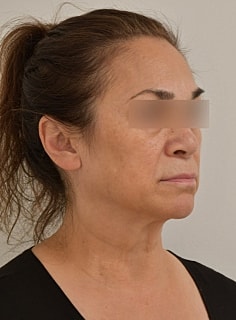
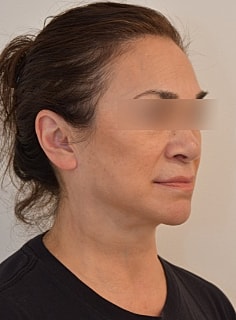
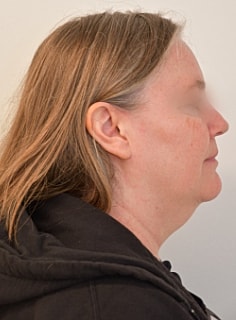
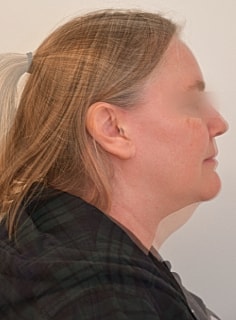
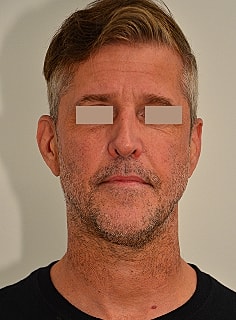
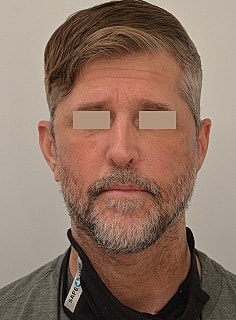
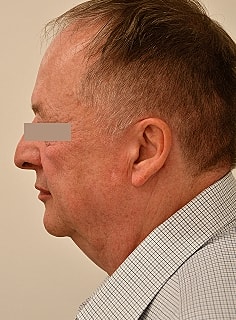
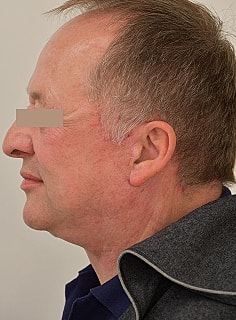
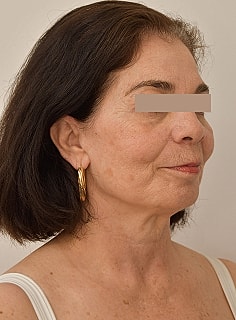
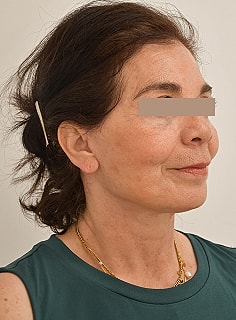
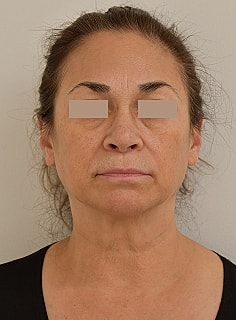
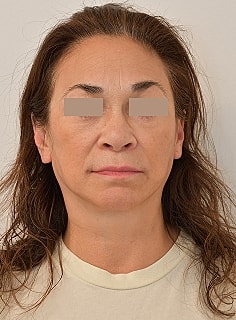
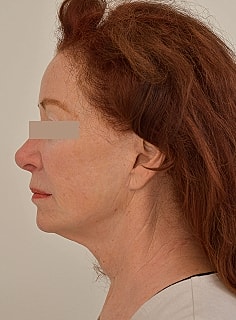
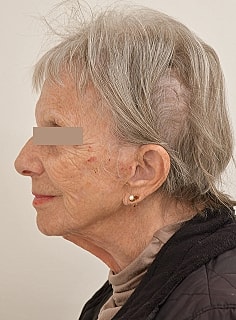
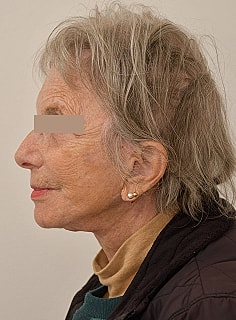
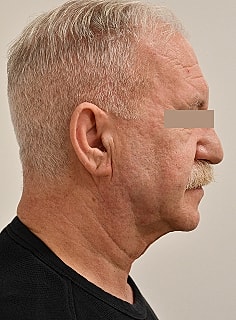
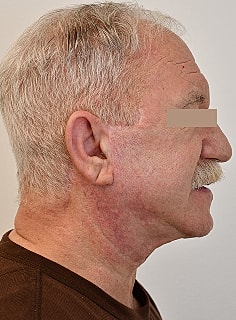
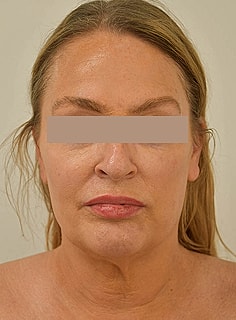
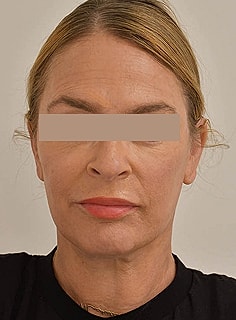
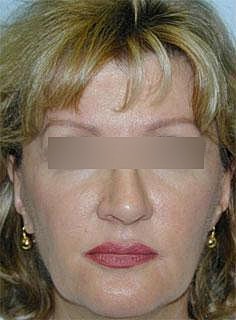
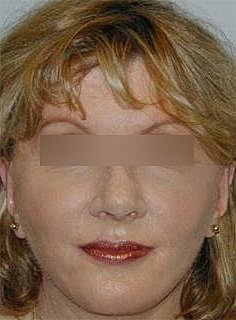
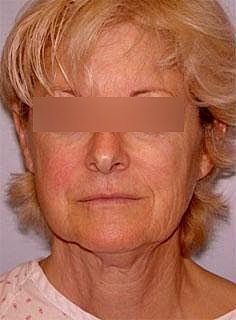
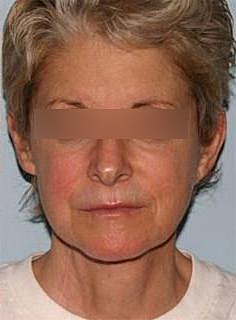
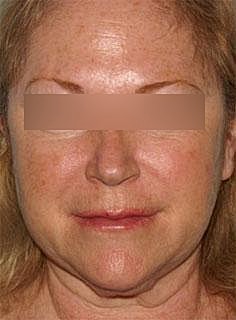
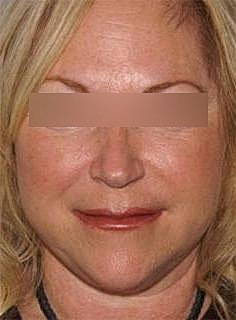
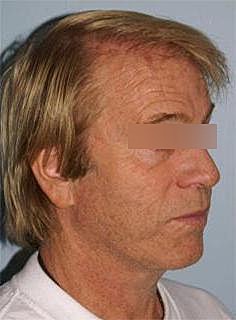
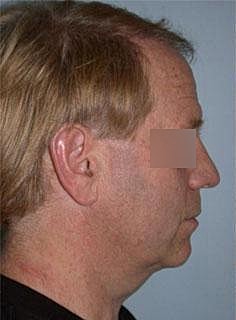
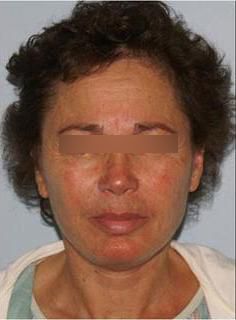
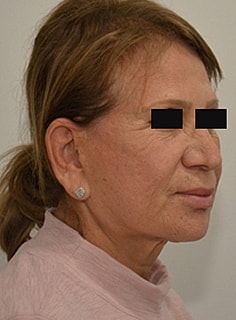
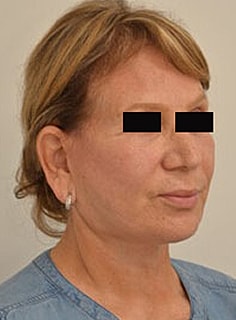
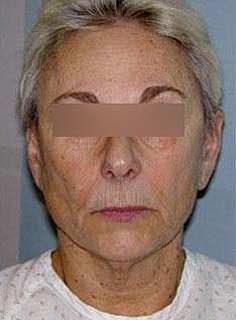
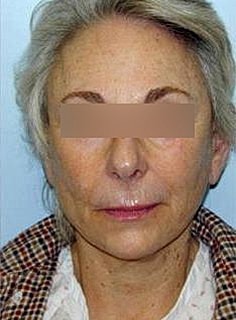
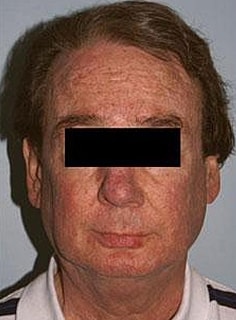
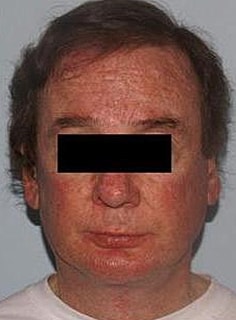
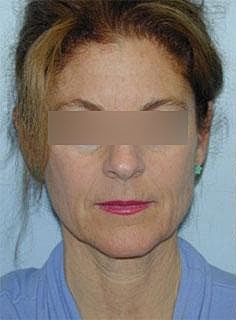
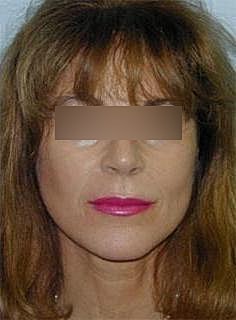
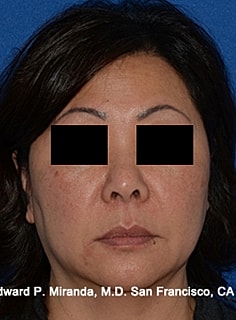
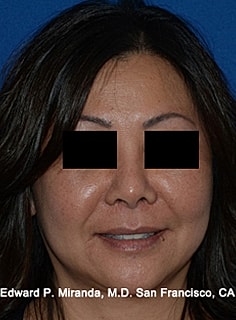
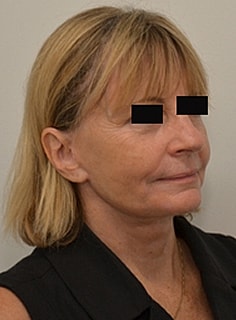
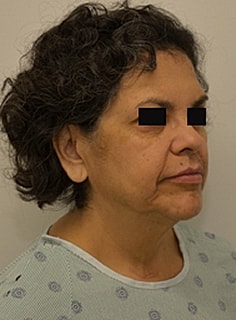
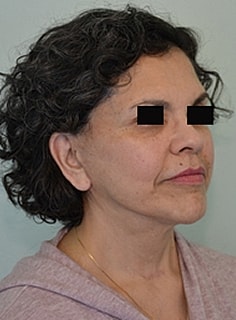
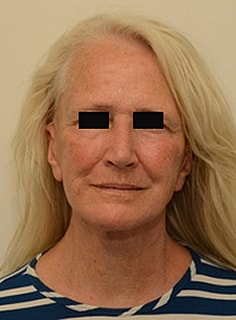
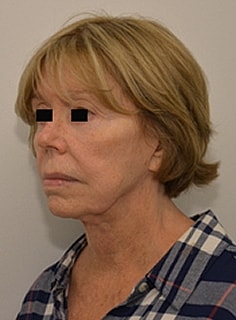
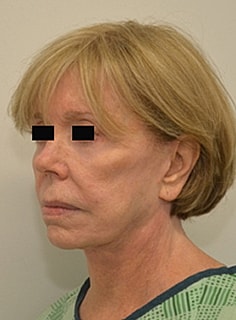
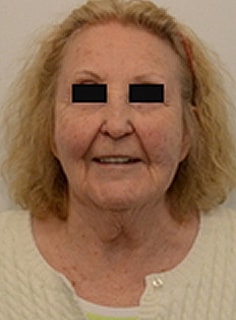
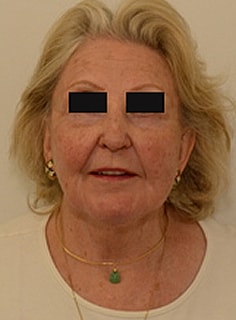
It can be worthwhile for a patient whose concern matches the procedure’s limited reach. It is a poor bargain when a smaller scar or faster recovery takes priority over correcting the actual anatomy. Before-and-after photographs of real patients with similar starting features can make that tradeoff easier to evaluate.
Some mini facelift operations can be performed with local anesthesia and sedation. Others are better suited to general anesthesia because of their extent, combinations, patient comfort, or safety needs. Dr. Miranda determines the anesthesia plan after reviewing the operation and medical history.